

Located in Nueces County, 5 mi southeast of Aransas Pass in Corpus Christi Bay, Red Fish Bay field has yielded more than 19 MMbbl of liquid hydrocarbons and 103 Bcf of gas from more than 50 stacked Frio Sandstone reservoirs since field discovery in 1950. This study forcused on delineating bypasssed hydrocarbons in 19 upper Frio reservoirs. Red Fish Bay field exemplifies the tremendous bypassed hydrocarbon potential in supposedly depleted sandstone reservoirs of the Downdip Frio BarrierIStrandplain Sandstone on the San Marcos Arch play in SouthTexas.
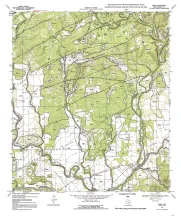
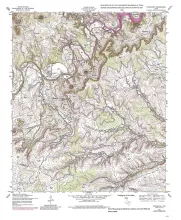
The urban corridors associated with the Dallas, Austin, and San Antonio metropolitan areas lie on Austin Chalk outcrop. In these areas of rapid urbanization, ground-water information is needed to resolve environmental issues. The Austin Chalk also produces hydrocarbons in the deep subsurface. Fluid migration in both oil-field and ground-water environments is strongly controlled by fractures. In each geologic setting, a conceptual model of fracture intensity is required to model or predict flow. Using geologic and engineering data collected during development of the U.S.
Fluvial-deltaic reservoirs contain large volumes of oil and gas. These reservoirsandstones may have complex stacking patterns, and shales or very fine grained sandstone may form baffles or barriers to flow. As a result, significant compartmentalization or baffling may occur in fluvial-deltaic reservoirs. Because of their close analogy with reservoirs in the Gulf of Mexico region, outcrops of Ferron Sandstone in central Utah have been used to investigate the heterogeneity and possible recovery behavior of high-accommodation fluvial-deltaic reservoirs.